
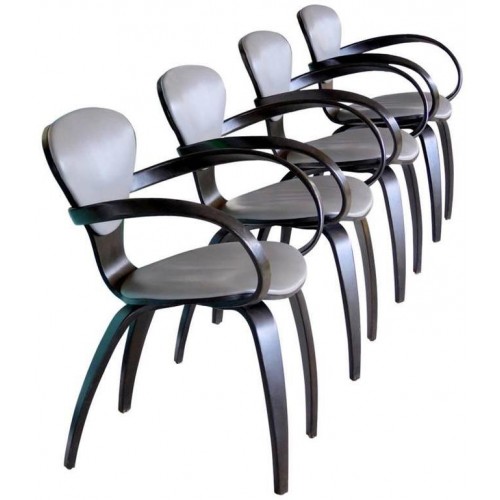
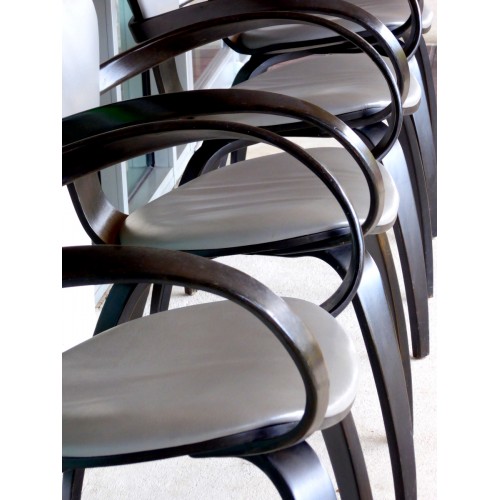
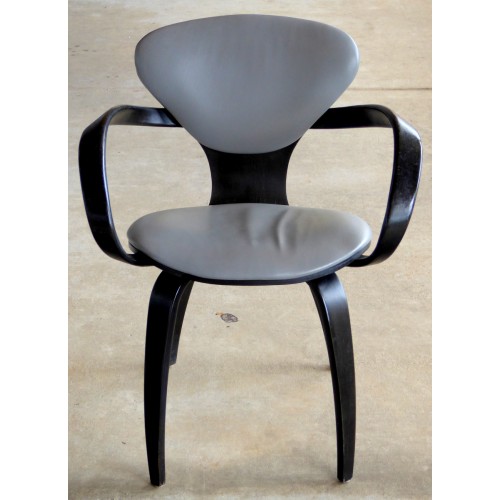
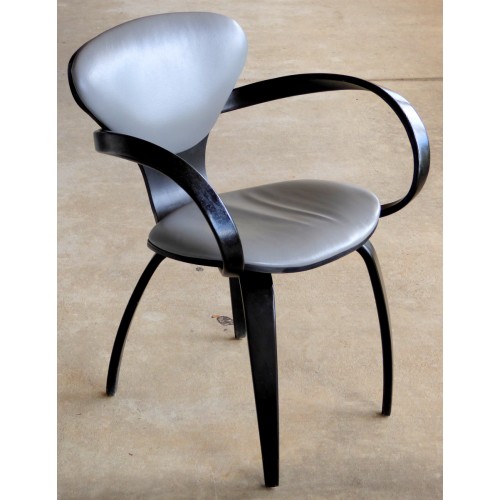
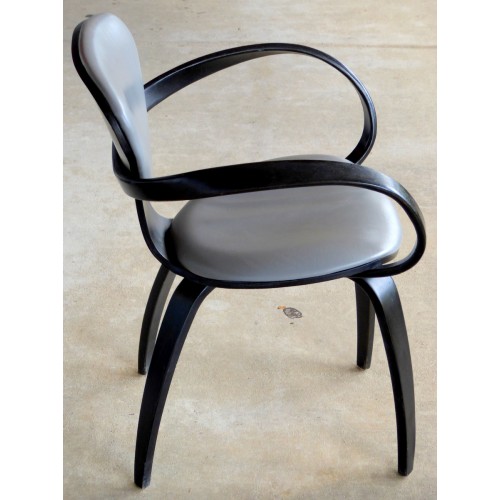
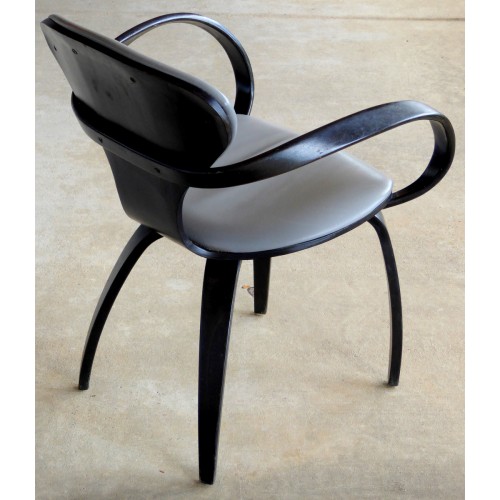
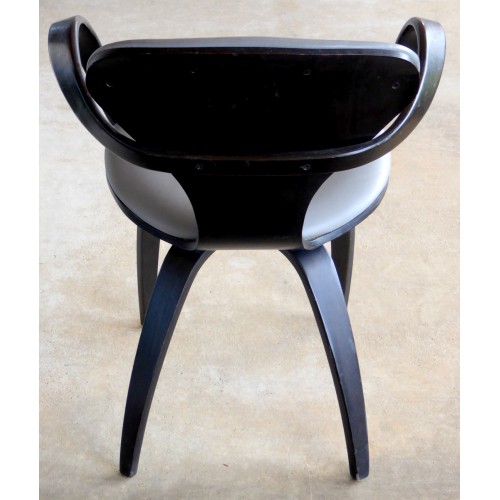
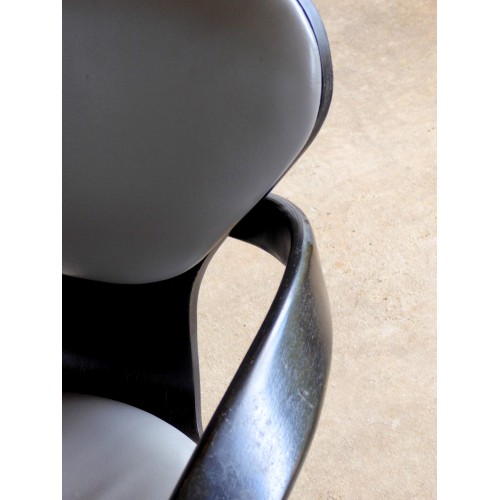
Additional Condition Notes:
Good. Unless otherwise noted, wear consistent with age and use.
Dimensions:
21" (53.34cm) D x 26" (66.04cm) W x 30.5" (77.47cm) H; Seat 18" (45.72cm) H
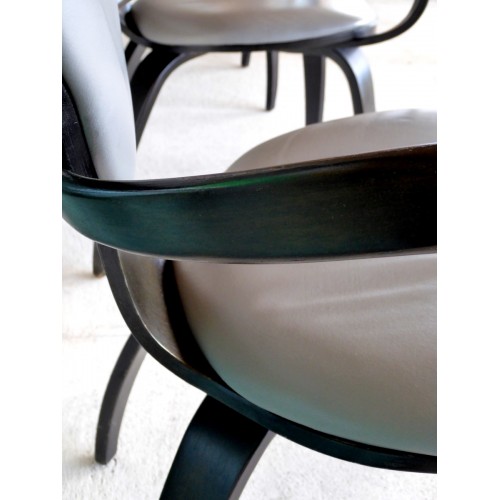
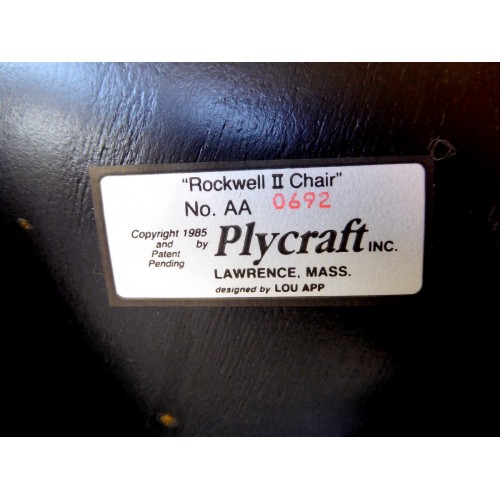
Pretzel Armchairs by Norman Cherner for Plycraft
- Maker: Norman Cherner for Plycraft
- Product Code:2662
- Availability:1
-
$8,800.00
A few important notes about all items available through MØBLER | Home Décor:
1. We have considerable experience shipping items domestically and globally. While we have nothing against budget shippers, we want your items to arrive as safely and quickly as possible, be insured for their full value, and be shipped to your home or office rather than a parking lot or bus depot. Therefore, we tend to favor the pros. For out-of-state delivery of large furniture and other oversized items, we usually rely on BMC Freight International and a handful of others we have vetted. For domestic delivery of small packages, we let UPS or FedEx do the packing and shipping. For international delivery of small packages, we are more likely to choose DHL. For tiny, sturdy packages, we may use the United States Postal Service. We have options for local delivery as well.
2. We take every reasonable precaution and make certain to inform shippers of safe handling procedures for our items, but accidents can happen. If an item is damaged during shipping, we are as upset about it as you are, but we ask that you file a claim directly with the shipper. Please let us know what happened and how it was resolved, though, as we are constantly monitoring the effectiveness of our shipping options.
3. If free shipping is offered, unless otherwise specified it is available only within the contiguous United States. Please contact us for a quote to other destinations.
4. We want our customers to be happy and purchase from us again. If an item differs significantly from the description we provided, you may return it free of charge. If you wish to return an item for any other reason or even no reason at all, you may do that as well if you are willing to pay the shipping both ways and -- unless prohibited by law in your jurisdiction -- a 25% restocking fee. Naturally, the item must be returned in the same condition as when it left the store, and the return must be initiated within seven days of receipt, unless a longer period is required by law.
5. Vintage items are seldom perfect. Small scratches, scuffs, nicks, and dents are not only expected but considered desirable as a testament to age. While many of our items may be viewed subjectively as being in very good or excellent condition, we guarantee only that the condition is good, with age-appropriate wear. We would rather our customers be pleasantly surprised than rudely awakened. Beyond that, we make every effort to discover serious flaws and report them to you. Be sure to read the description, study the photographs, observe the dimensions, and review any condition notes.
6. You may have heard experts explain that objects lose value if the "patina" is removed. Consequently, if we have had an item restored, refinished, or polished, we always ask our specialists to make it look "old but well cared for" rather than "new." However, if you would prefer an item to look new, please let us know. We may be able to have it polished further for an additional charge.
7. We are what we call "glass agnostic." If we are offering the perfect table base with a glass top that is not the size, shape, or edge treatment you prefer, just let us know before you place your order. If we have what you want, we'll supply it. We can also ship most items without the glass, if you would like to have it made locally or want to save on shipping.
8. We care about our customers and want to give you the best service possible. We try to respond to messages within minutes, but in no event does it take more than a few hours. Sometimes, though, messages get lost. If you haven't received a reply to your inquiry, price request, or order within 24 hours, please contact us at (561) 972-8489.